The Illusion of ATV Safety: A Five-Part Investigation
Five systems. One question. Why do so many children continue to die on ATVs?
This is Part 2 of a five-part series examining the evidence presented in my book, The Illusion of ATV Safety.
The Consumer Product Safety Commission and ATV Safety: What the Data Reveals
The mission of the U.S. Consumer Product Safety Commission (CPSC) is to protect the public from unreasonable risks of injury and death associated with consumer products. Yet despite decades of CPSC oversight, children continue to be seriously injured and killed while riding ATVs.
The Regulatory Shift: From Enforcement to Education
In 1988, after mounting public concern over ATV-related deaths and injuries, the CPSC entered into a landmark 10-year Consent Decree with the nation's major ATV manufacturers. The agreement banned the sale of three-wheeled ATVs, required warning labels, and prohibited the sale of adult-sized ATVs for children under the age of 16.
When the Consent Decree expired in 1998, however, the federal approach shifted. Rather than continuing with enforceable regulatory measures, the CPSC adopted an Action Plan that relied more heavily on manufacturer cooperation, education, and consumer awareness. Data shows injuries rose faster than the number of ATV operators.
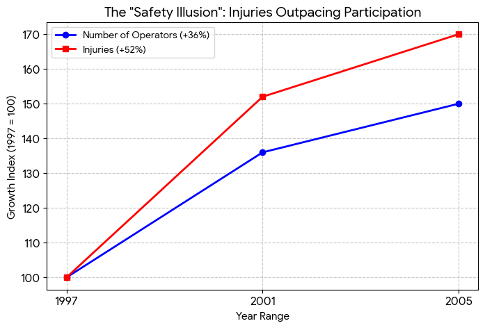
The truth is in the data. Insufficient facts always invites danger.
Where the Current Approach Falls Short
In my view, this shift has failed to adequately protect children.
The Enforcement Gap
Although the CPSC has long maintained that children under 16 should not operate adult-sized ATVs, responsibility for enforcing those recommendations largely rests with individual states and manufacturers. As discussed throughout The Illusion of ATV Safety, the overwhelming majority of pediatric ATV deaths and injuries involve children riding adult-sized machines.
Warnings Instead of Stronger Standards
In May 2024, the CPSC issued a press release reporting a 33% increase in off-highway vehicle deaths. The agency encouraged riders to follow existing safety recommendations, including wearing helmets and following safe riding practices.
While education is important, I argue that warnings alone cannot eliminate hazards that are built into the design and marketing of these vehicles. More effective manufacturing standards and stronger enforcement could better protect children from preventable tragedies.
Looking Beyond the Data
For decades, parents have been told that proper training, protective equipment, and supervision will keep children safe on ATVs. Yet serious injuries and fatalities continue.
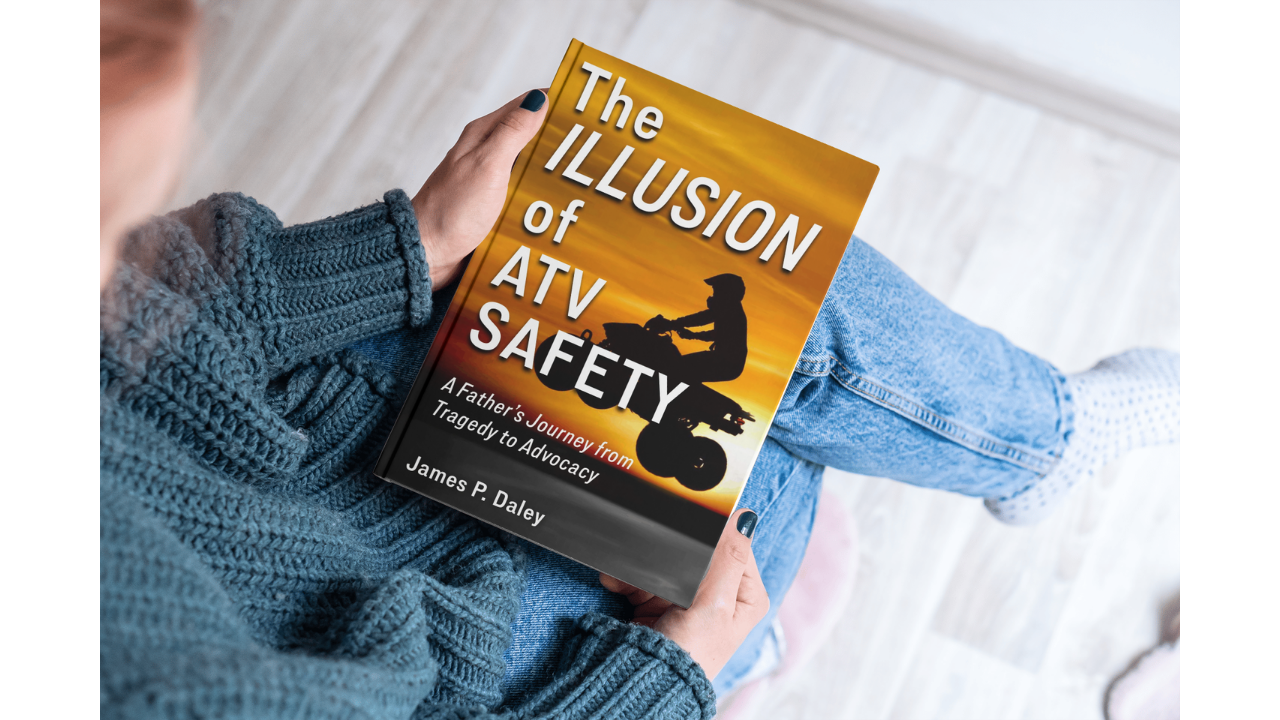
Coming soon; The Illusion of ATV Safety
In The Illusion of ATV Safety, I examine the shortcomings of CPSC oversight, the limitations of the current regulatory framework, and why I believe meaningful change will require more than education campaigns and warning labels.
Next in the series: Part 3 — The Specialty Vehicle Institute of America and ATV Safety: When Warnings Replace Standards
To explore the research behind this series in greater depth, The Illusion of ATV Safety examines decades of injury data, systemic failures, and the reforms that, in my view, are necessary to better protect children. Download two free chapters and discover the research behind this series.